Ella has never been a “normal” kid. When she was a baby she was allergic to dairy. 2 days before her 3rd birthday she was bitten by ants and went into anaphylactic shock. A few years later she kept developing random hives all over her body and the only thing anyone could say was “idiopathic” (meaning they have no clue where they came from). Finally we found out that her skin has extra histamine available and it just makes her sensitive. Oh, and she’s allergic to dust. And dust. Is. Everywhere. Other than all that, she’s a pretty normal kid. Fabulous in fact! She has an older brother that she loves to argue wtih, she loves gymnastics, and she loves riding her bike and feeling the wind on her face. Our Ella girl has a feisty spirit and will stand up to the toughest of bullies if it means defending someone she cares for. In April of 2019, Ella started randomly talking in a nasal voice in the evenings. I won’t lie… it annoyed me. I would say things like, “Stop talking like that!! I know you’re just doing that to annoy me!” And I would laugh and she would laugh and ask things like, “Talk like what? I’m not trying to talk any different!”
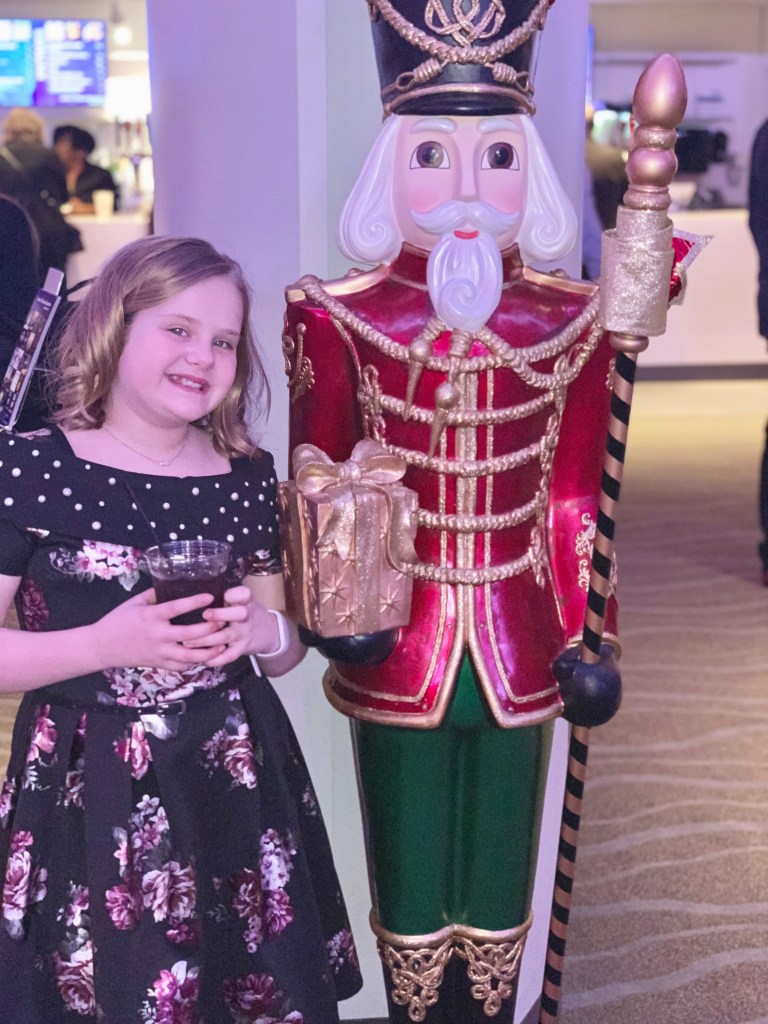
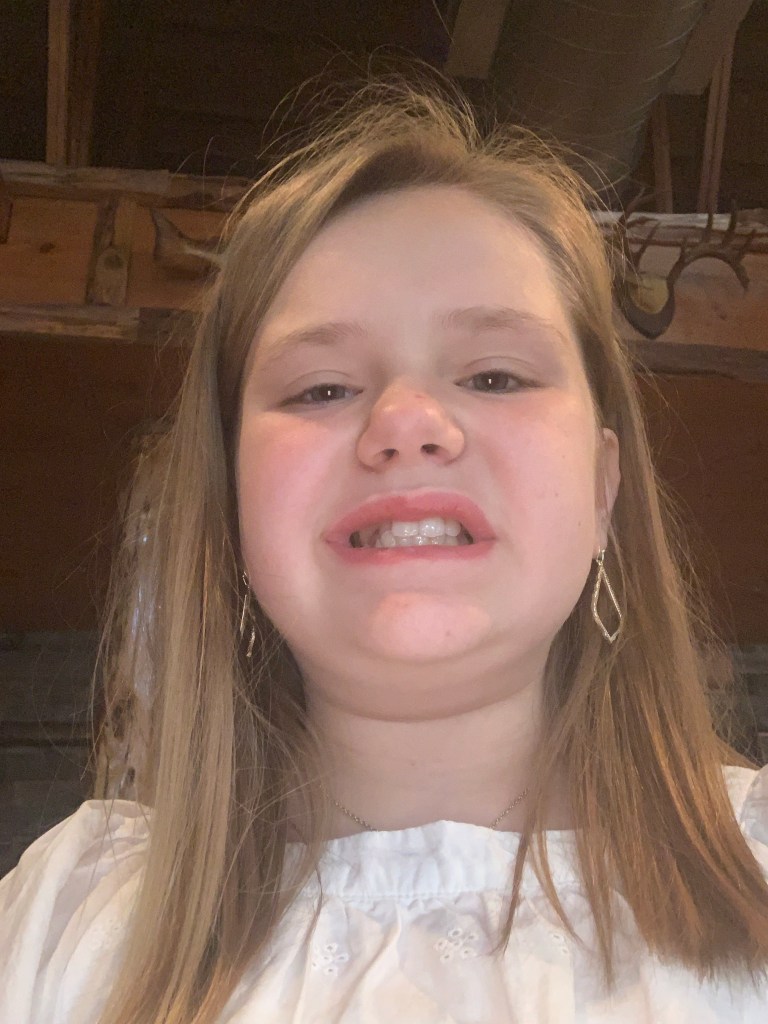
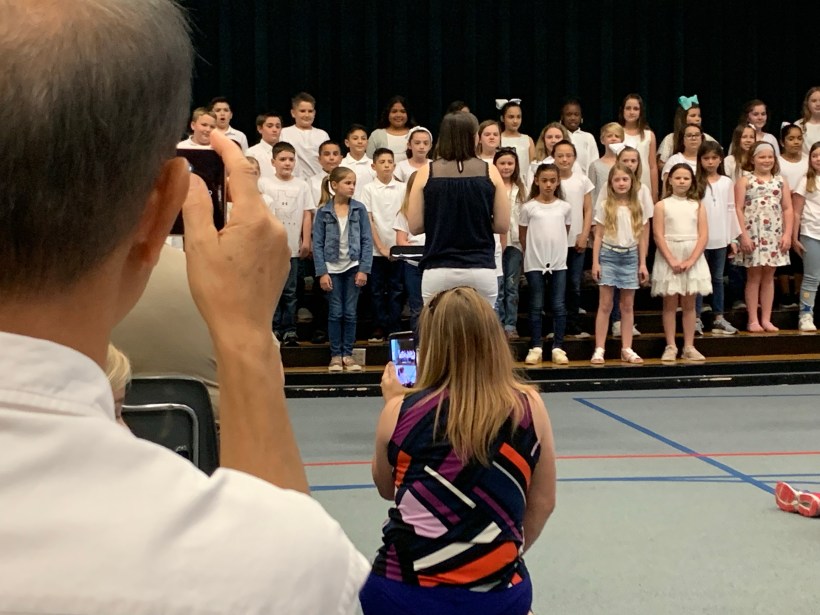
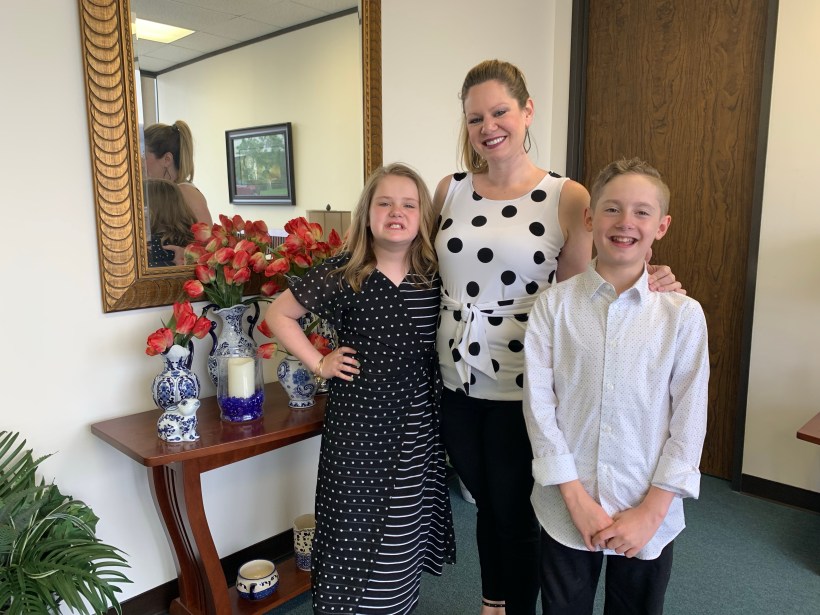
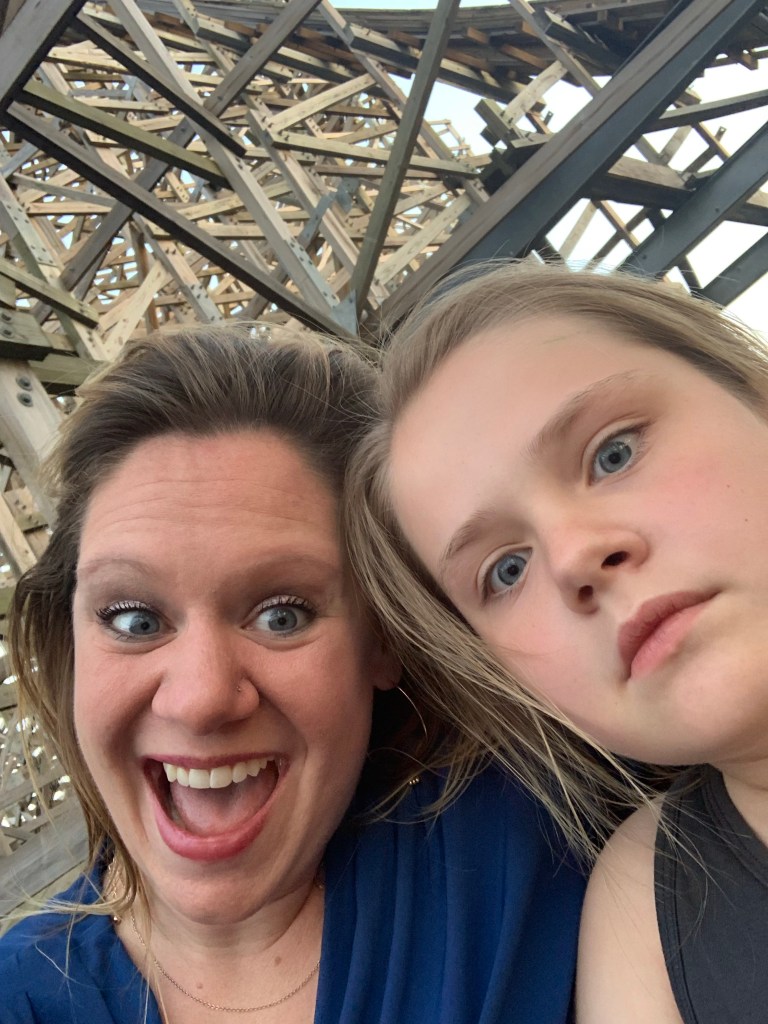
This went on randomly for a few weeks, and we would continue joking about it, but I really didn’t think anything of it. At the end of the month, Ella had a choir concert at school. She had a solo and was very nervous about it all day, but she ended up rocking the mic! Afterward, my sister asked her to take a selfie and I kept hearing her say, ” Ella, stop! Stop being silly! Smile normal!” And again, my sister laughed and Ella laughed and said back in her giggly voice, “What are you talking about?! I AM smiling normal! I don’t know why my face is doing that!” Again, we laughed and didn’t think much of it. There was no drooping of her face, or any other reason to think something was wrong. I just thought she was overthinking her smile and it was coming out funny. Then it was Mother’s Day and we were taking pictures and the same thing happened.. same conversation. And we laughed.

A week later, Ella went to a birthday party for her friend. She called me and kept frantically saying she couldn’t swallow her pizza, sprite was falling out of her mouth, and she was having a hard time talking and breathing. She also said her tongue felt weird, so we rushed her to the emergency room. Our little allergy-prone baby must be having an allergic reaction. By the time we got there, she seemed to be doing better. The ER docs were nice enough… they checked her out, ran some tests, and decided maybe her asthma was acting up? She received an albuteral treatment, was breathing and swallowing fine, and was sent home.
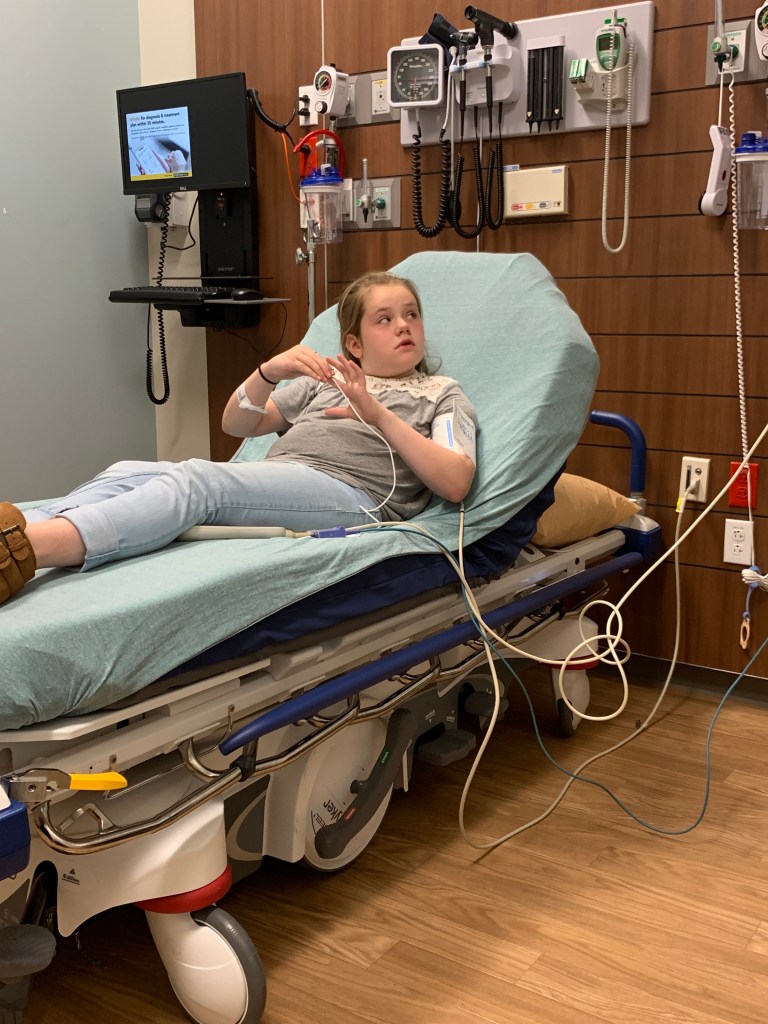
The very next day, Ella went to dinner with her dad and stepmom. During dinner, her speech became slurred and her mouth was noticably drooping. She felt nervous and dizzy and like something was really wrong with her. This time the slurred speech terrified me. I could hardly understand her and I thought she may be having a stroke. I drover her as fast as I could into town to the Children’s Hospital. Once we got to the hospital, her speech started sounding better. She kept saying her tongue felt weird, but her face didn’t look as droopy, and it just seemed so bizzare. We saw several teams of doctors, and neruology was sent in. CT came back clear, bloodwork didn’t show anything abnormal, but the Resident did notice the facial drooping while he was in the room, so the decision was made to admit her.
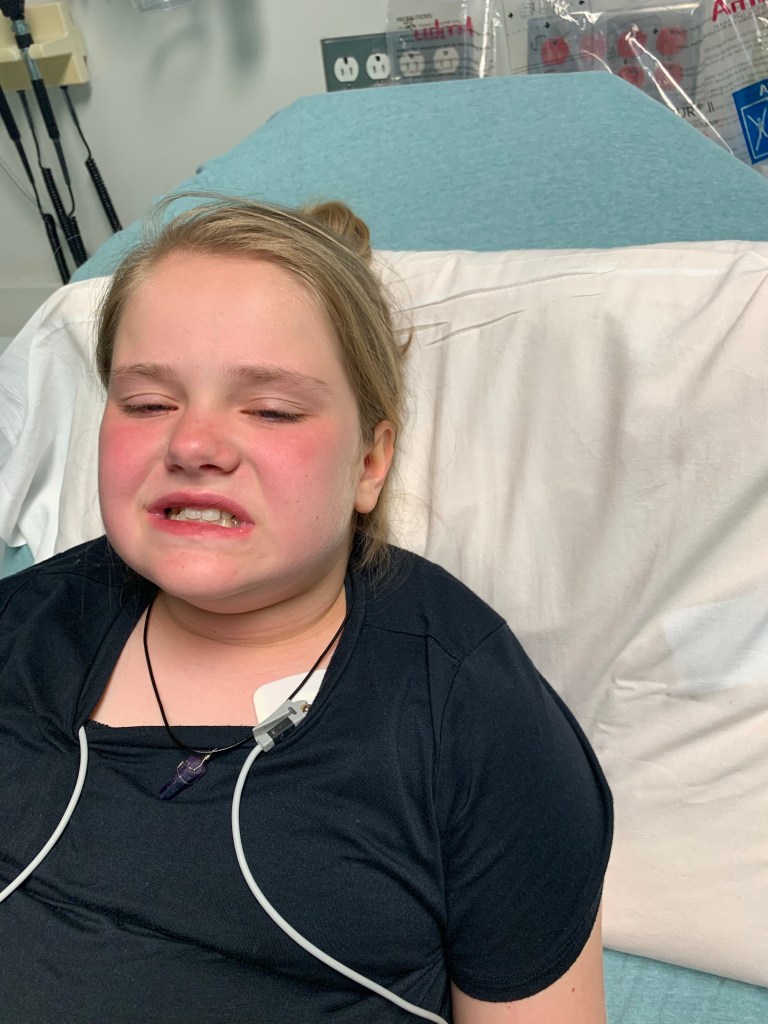
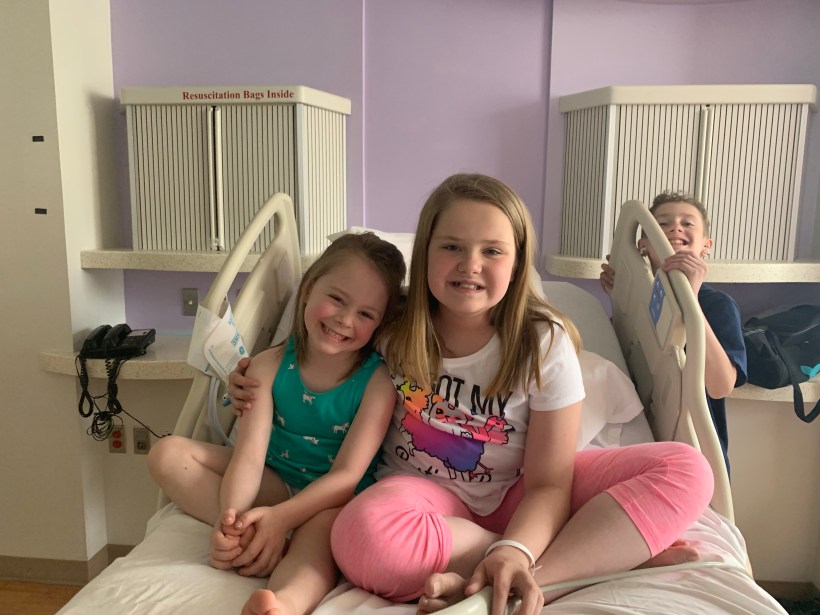
We were at the hospital for 5 days. She had an MRI, more bloodwork, and many, many neurological examinations. Whole teams of doctors would come to the room twice a day to discuss what possibilities they were ruling out. We answered the same group of questions over and over again. MRI came back normal, and none of the cranial nerves connected to her face were showing any inflammation or damage that might cause the issues she was having. The best part of this was that the main visits from the doctors occured early in the day (mostly morning), when she had little to no speech slurring. In the afternoon visits, I started noticing that after the doctors left her speech was getting worse. Then I made the connection that when she was talking a lot it got worse. I communicated this with the staff. On the last day, I was asked to go into the hallway with the doctors. The Attending asked me if I was familiar with conversion, also known as functional neurological disorder. I work in education, and I’ve had students with the diagnosis, so I was familiar. Basically they felt there was no real physical cause of her symptoms. Her symptoms were merely a manifestation of her stress and anxiety. I tried not to be, but I was devastated. You carry this guilt as a parent that if your own kid is having neurological problems as a result of stress and anxiety, then that means your’re definitely not doing your part as a parent. I racked my brain: Yes, she’s been through some really tough times. Her dad had just gotten remmaried about 2 weeks before all this started. I just started a new job on the other side of town, and we were planning on moving in a month. Maybe that stressed her more than I realized and I hadn’t done enough to make sure she was supported. Either way, I knew telling her this was going to be tough on her and just add more stress. The team of doctors assured me that, with the right therapy, she could get through it.
The team of doctors moved into the room and the Attending sat on the side of Ella’s bed so that he could talk more directly to her. He took his time to carefully explain what was going on with her. She looked up at me several times like she wanted to make sure I was ok with it, and I did my best to hold in my tears. These are the experts… I have to trust them, right? That was an emotional moment. After a pretty thorough explanation and empathetic nods of reassurance from the team of doctors surrounding her bed, the Attending gently picked up her hand to hold in his and quietly said the words that neither she nor I will EVER forget,
“Ella, listen to me very carefully. The sooner you beleive this is all in your head, the sooner you’ll be able to get better. Just remember that when you go home today so that you can start to get well as quickly as possible.”
With that, the team left the room and the nurse arrived with discharge papers.
Coming Next week: How We Got Ella Diagnosed in Only Two Months
 Snowflake Warrior